
Overview
What is Cocaine?
Common and street names
coke · charlie · powder cocaine · crack cocaine
Drug category
Stimulant
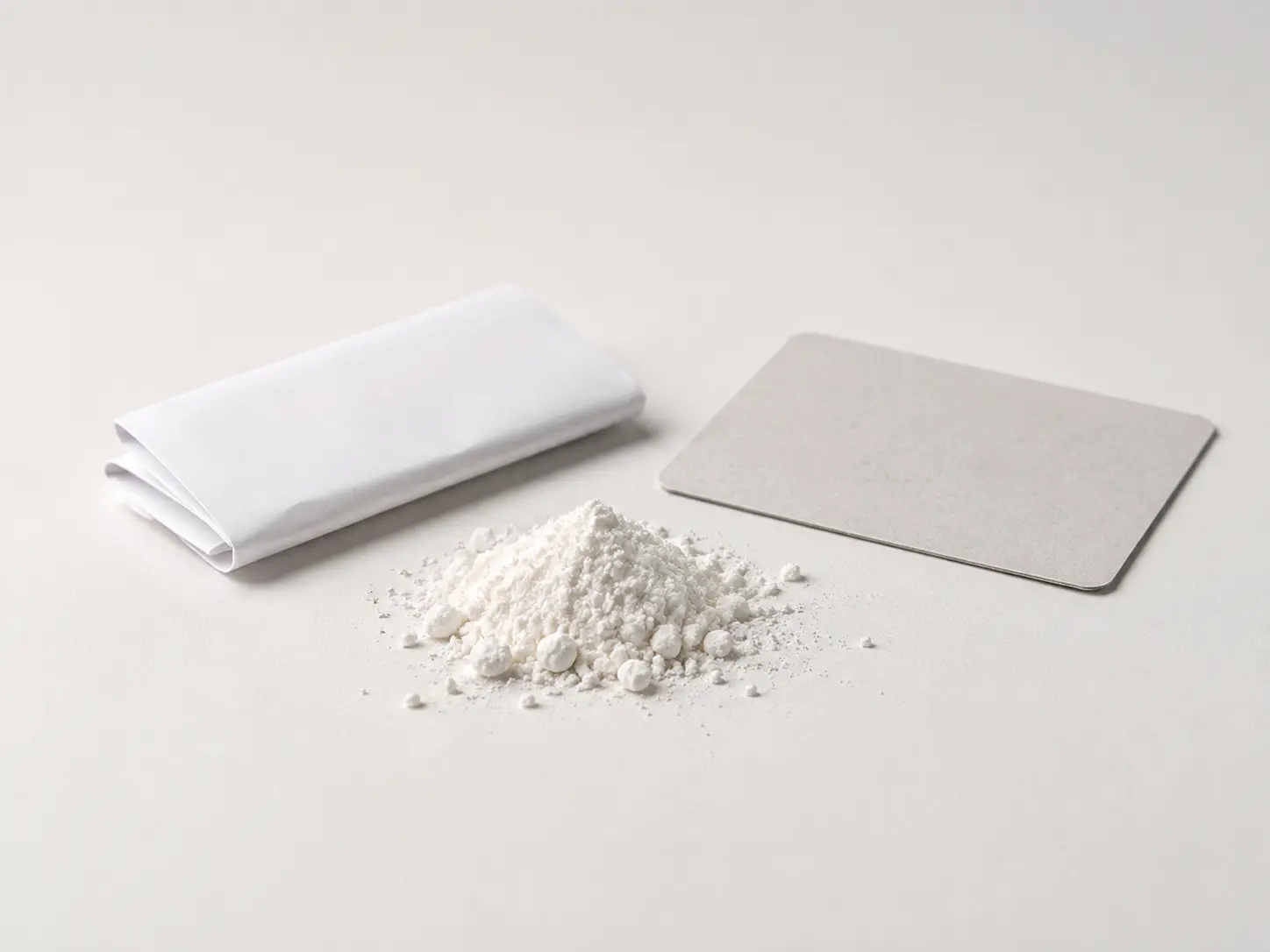
Forms and appearance
Usually encountered as white/off-white powder (cocaine hydrochloride) or as crack cocaine in solid pieces. Appearance cannot establish purity or identity.
How it is commonly used
Powder cocaine is commonly snorted; crack cocaine is commonly smoked. Injection also occurs and adds blood-borne virus, bacterial infection and vascular risks.
Brain & body
How Cocaine affects signalling and behaviour
Cocaine blocks the reuptake of dopamine, noradrenaline and serotonin. The resulting changes in reward, arousal and learning can strengthen links between the drug, places, people and cues. Craving is not simply a search for pleasure: stress, habit, relief and conditioned cues can all contribute.
Explore reward, cues, craving, stress, tolerance and neuroplasticity without a simplistic “hijacked brain” model.
Effects & risks
What people may experience — and what can go wrong
Commonly reported effects
- Alertness and energy
- Confidence or sociability
- Reduced appetite
- Increased heart rate and blood pressure
Short-term risks
- Chest pain, abnormal heart rhythm and heart attack
- Stroke or seizure
- Agitation, panic or paranoia
- Overheating and dehydration during prolonged activity
Longer-term risks
- Dependence and compulsive patterns of use
- Cardiovascular harm
- Nasal damage when snorted
- Sleep, mood and concentration problems
Mental-health effects
Anxiety, irritability, suspiciousness and paranoia can occur, particularly with repeated or high-intensity use and sleep loss. Stimulant-related psychosis can require urgent assessment.
Dependence, tolerance & withdrawal
Repeated use can change the pattern
Tolerance and strong craving can develop. Stopping may be followed by fatigue, low mood, disturbed sleep and reduced motivation. Severe or persistent depression, psychosis or suicidal thoughts need prompt clinical support.
Mixing drugs
Interaction risks to know
Cocaine + alcohol can produce cocaethylene and adds cardiovascular risk.
Cocaine + other stimulants can increase cardiovascular strain, overheating and agitation.
Cocaine + opioids can mask sedation while leaving opioid respiratory-depression risk in place.
The absence of a recorded interaction does not mean that a combination is safe. Strength, dose, health, tolerance, contamination and other substances can alter risk.
Check another combinationHarm reduction
Practical ways to reduce risk
Avoid mixing with alcohol, opioids or other stimulants.
Take breaks from repeated use and prioritise sleep, food and hydration.
Do not share snorting or smoking equipment.
Because unexpected opioids may be present in illicit markets, know the signs of opioid overdose and where naloxone is available.
Harm reduction can reduce some risks; it cannot make an unregulated drug, dose or combination risk-free.
Emergency
When to call 999
- Chest pain, collapse or severe breathlessness
- Seizure
- Very high temperature with confusion
- Severe agitation, psychosis or reduced consciousness
Treatment & support
Help does not require one fixed recovery goal
UK drug and alcohol services can assess physical health, mental health, dependence, risk, housing and support needs, then agree a plan with the person. Goals may include immediate harm reduction, stabilisation, reduction or stopping use.
Tolerance and strong craving can develop. Stopping may be followed by fatigue, low mood, disturbed sleep and reduced motivation. Severe or persistent depression, psychosis or suicidal thoughts need prompt clinical support.
Brief history
How we got here
Cocaine is derived from coca leaves used for centuries in parts of South America. Purified cocaine entered European and North American medicine in the nineteenth century; non-medical markets and legal controls developed later. Crack cocaine became prominent in the 1980s, alongside highly racialised media and policy responses.
Read the history guideKey facts & misconceptions
Three useful corrections
Crack and powder cocaine contain the same active drug in different chemical forms.
A high tolerance does not remove cardiovascular or seizure risk.
Purity and appearance cannot be judged reliably by sight.
Frequently asked questions
Quick answers
What type of drug is Cocaine?
Cocaine is described here as stimulant. Some drugs cross categories, and mixtures may contain more than one drug type.
Can Cocaine be identified by appearance?
No. Appearance, packaging, a logo or colour cannot reliably establish identity, strength or contamination.
When should I call 999?
Call 999 for a suspected drug emergency, including reduced consciousness, abnormal breathing, seizure, severe chest pain or severe confusion. Chest pain, collapse or severe breathlessness
Evidence & governance
Sources and review
Responsible organisation: TD Consultancy
Published: 5 August 2026 · Last reviewed: 5 August 2026
Next formal review: February 2027, or earlier if material safety or legal information changes.
Evidence on illicit drug composition and emerging markets can change quickly. Legal status can be compound- and preparation-specific. Links below are prioritised to current official UK guidance.