
Support while living at home
Keyworking, prescribing, harm reduction, psychological interventions and wider health or social support can sit together.
Evidence-based information about drugs, the brain, behaviour, harm reduction, treatment and recovery.
Built for people, families and professionals — without stigma, scare tactics or simplistic explanations.
Start where you are
Choose a route. The same evidence is organised differently depending on what you need to do next.
Search names, street names, categories and UK legal status.
→02Practical harm reduction without judgement or false reassurance.
→03Understand risk, start a conversation and know when to act.
→04Explore UK treatment routes and different goals for change.
→05Evidence, practice resources, publications and professional learning.
→06Manuals, leaflets, professional tools and future self-paced learning.
→07Move from drug knowledge to live trends, harms and emerging signals.
↗Explore substances
Start with the drug, then move outward to brain effects, interactions, history, harm reduction, treatment and current UK intelligence.
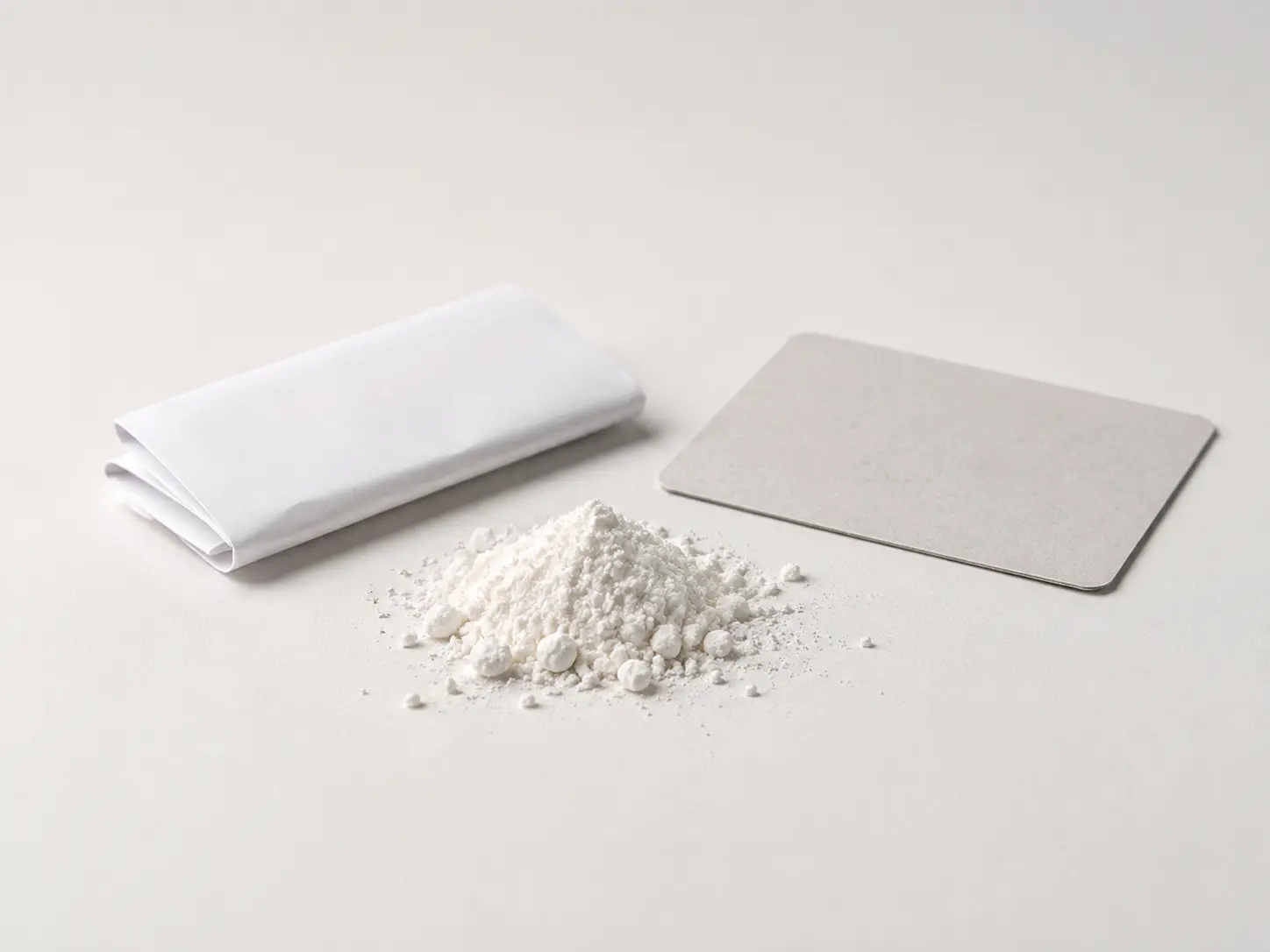 Appearance varies. A substance cannot be reliably identified by colour, shape, packaging or an image.
A powerful stimulant sold mainly as cocaine hydrochloride powder or as crack cocaine. Effects are relatively short-lived, which can encourage repeated use in a session.
Read guide →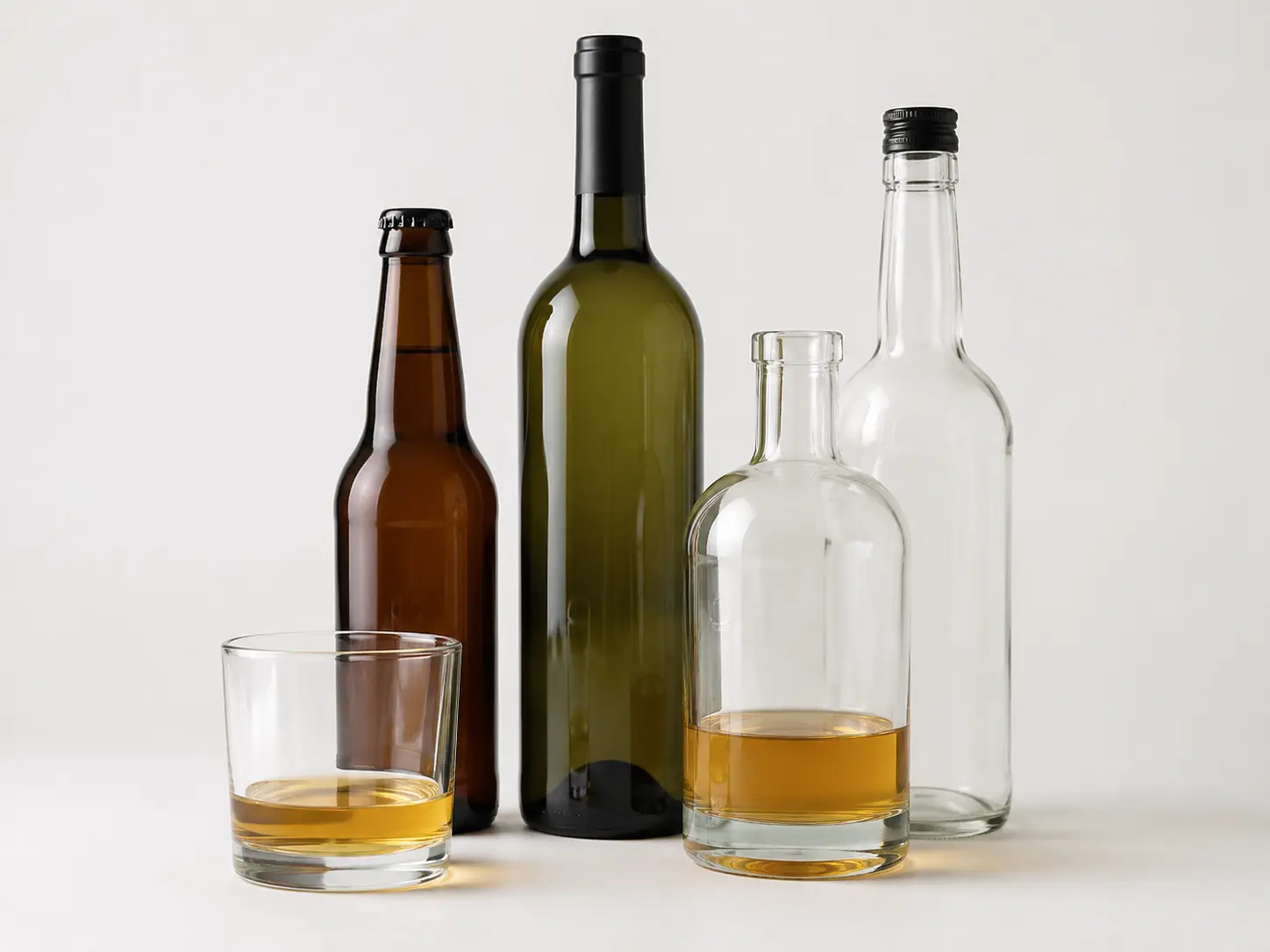 Appearance varies. A substance cannot be reliably identified by colour, shape, packaging or an image.
Alcohol (ethanol) is a psychoactive depressant found in beer, wine, cider and spirits. Legal availability does not mean low risk: harm varies with amount, pattern of drinking, health and other drugs or medicines.
Read guide →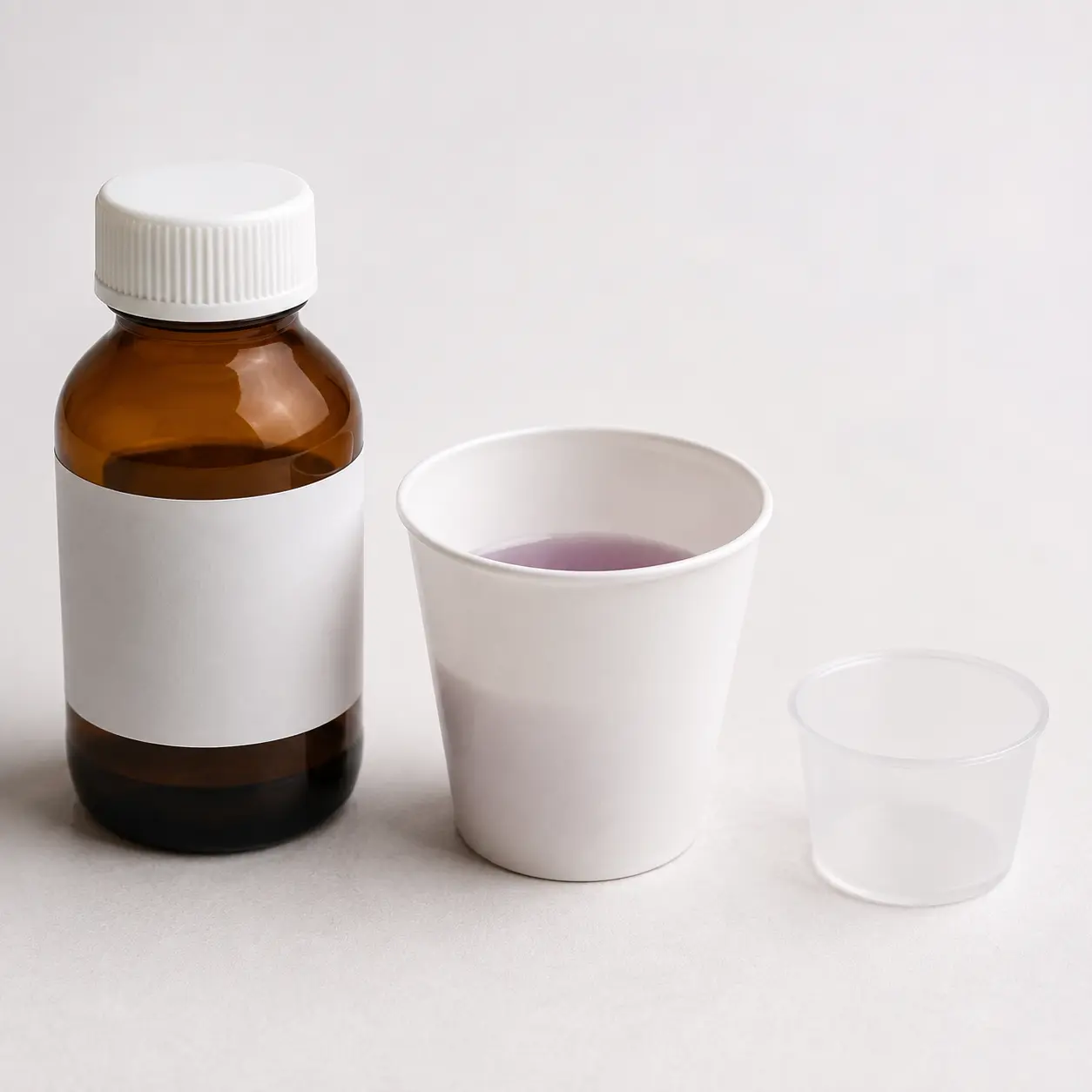 Appearance varies. A substance cannot be reliably identified by colour, shape, packaging or an image.
Lean is not one drug or a standard recipe. The term is commonly used for drinks containing codeine cough medicine, often with a sedating antihistamine such as promethazine, mixed with a soft drink. Contents and strength can differ substantially.
Read guide →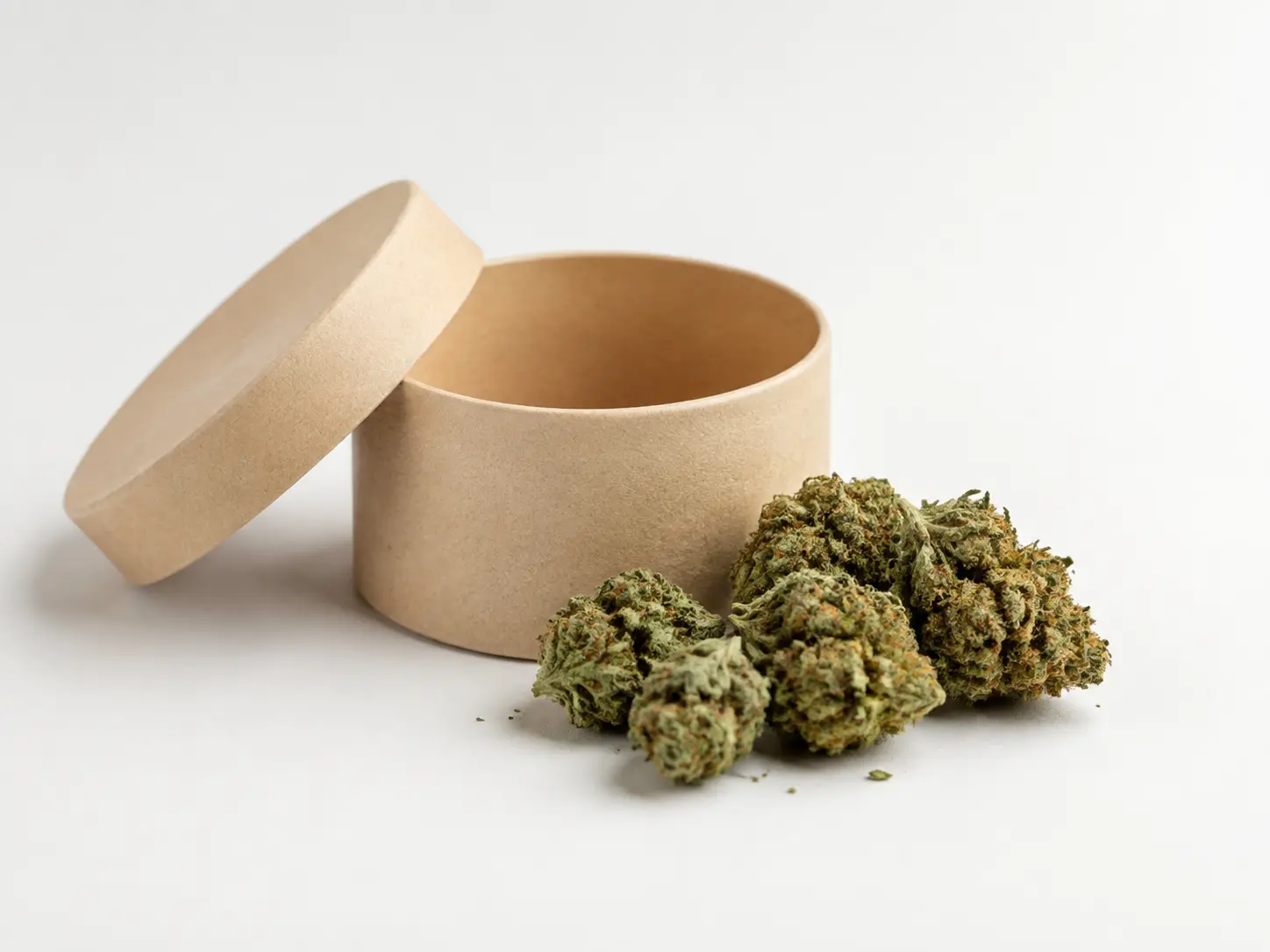 Appearance varies. A substance cannot be reliably identified by colour, shape, packaging or an image.
Cannabis contains many cannabinoids; THC is primarily responsible for intoxication, while CBD has a different pharmacology. Effects vary with THC/CBD content, route, dose, setting and individual vulnerability.
Read guide →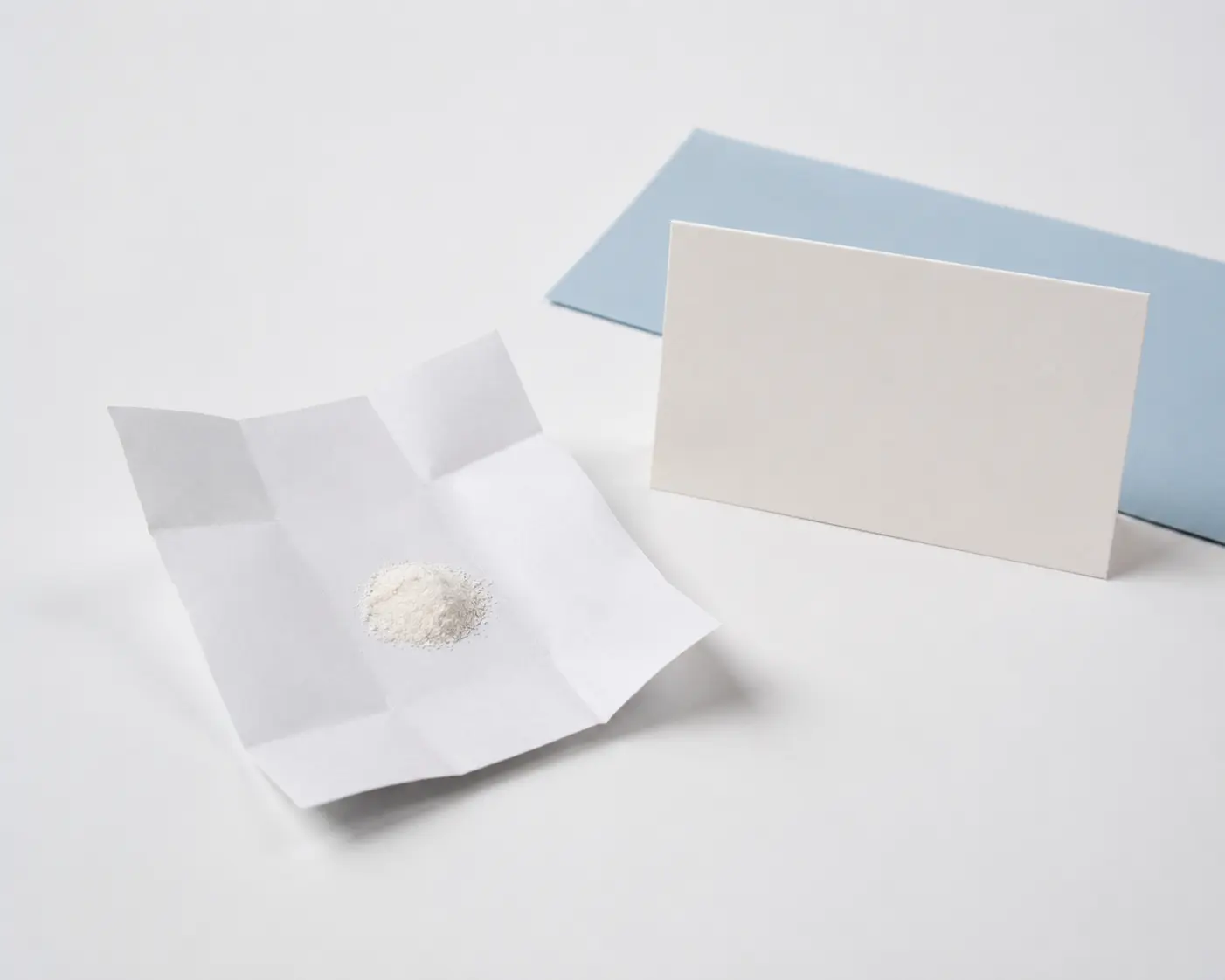 Appearance varies. A substance cannot be reliably identified by colour, shape, packaging or an image.
Ketamine is a dissociative anaesthetic with legitimate medical uses. Non-medical use can produce detachment from the body and surroundings, impaired coordination and, at higher exposure, profound dissociation.
Read guide →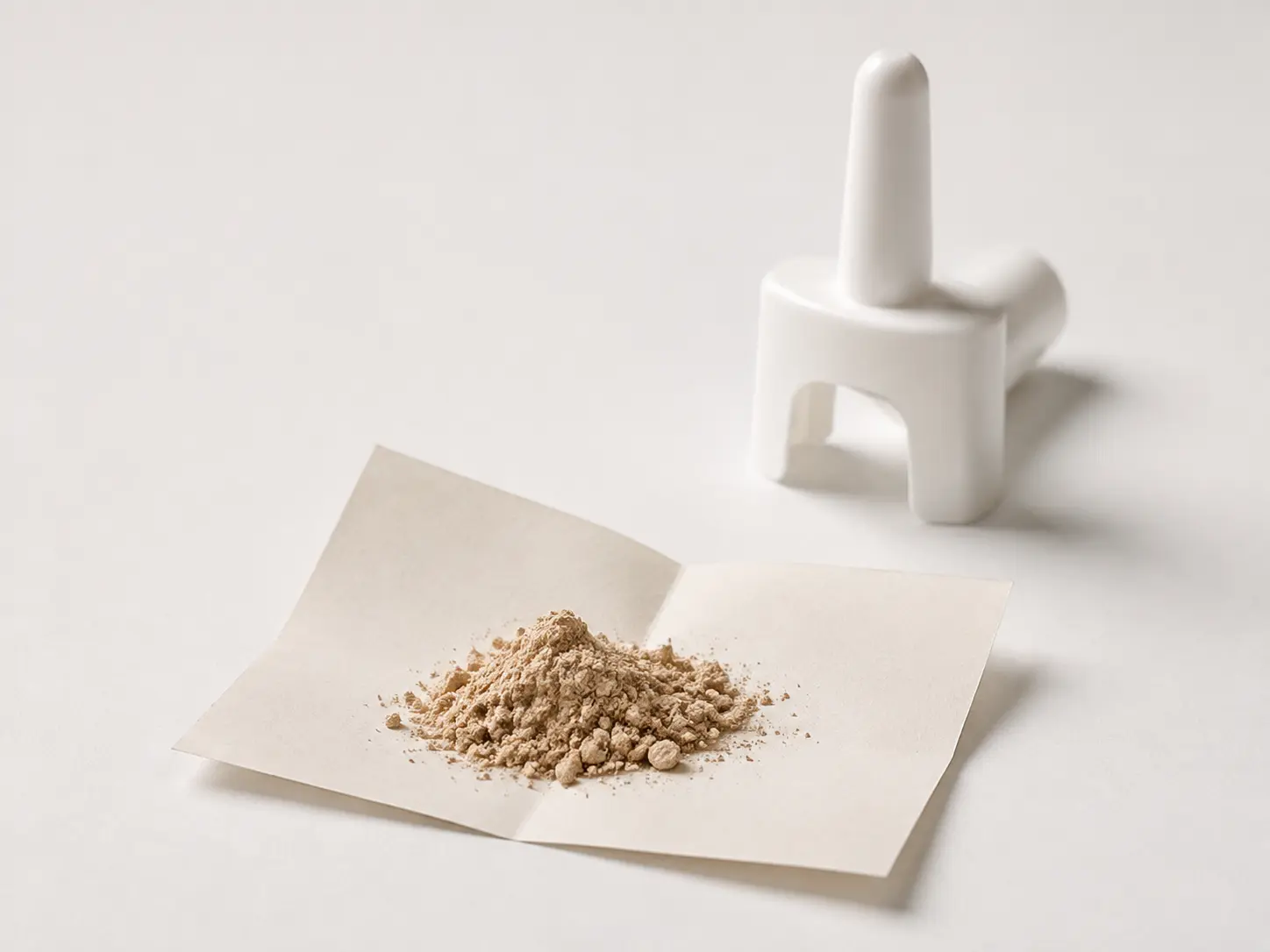 Appearance varies. A substance cannot be reliably identified by colour, shape, packaging or an image.
Heroin is an opioid, usually encountered in the UK as a powder. Its main acute danger is opioid toxicity: sedation can progress to life-threatening respiratory depression.
Read guide →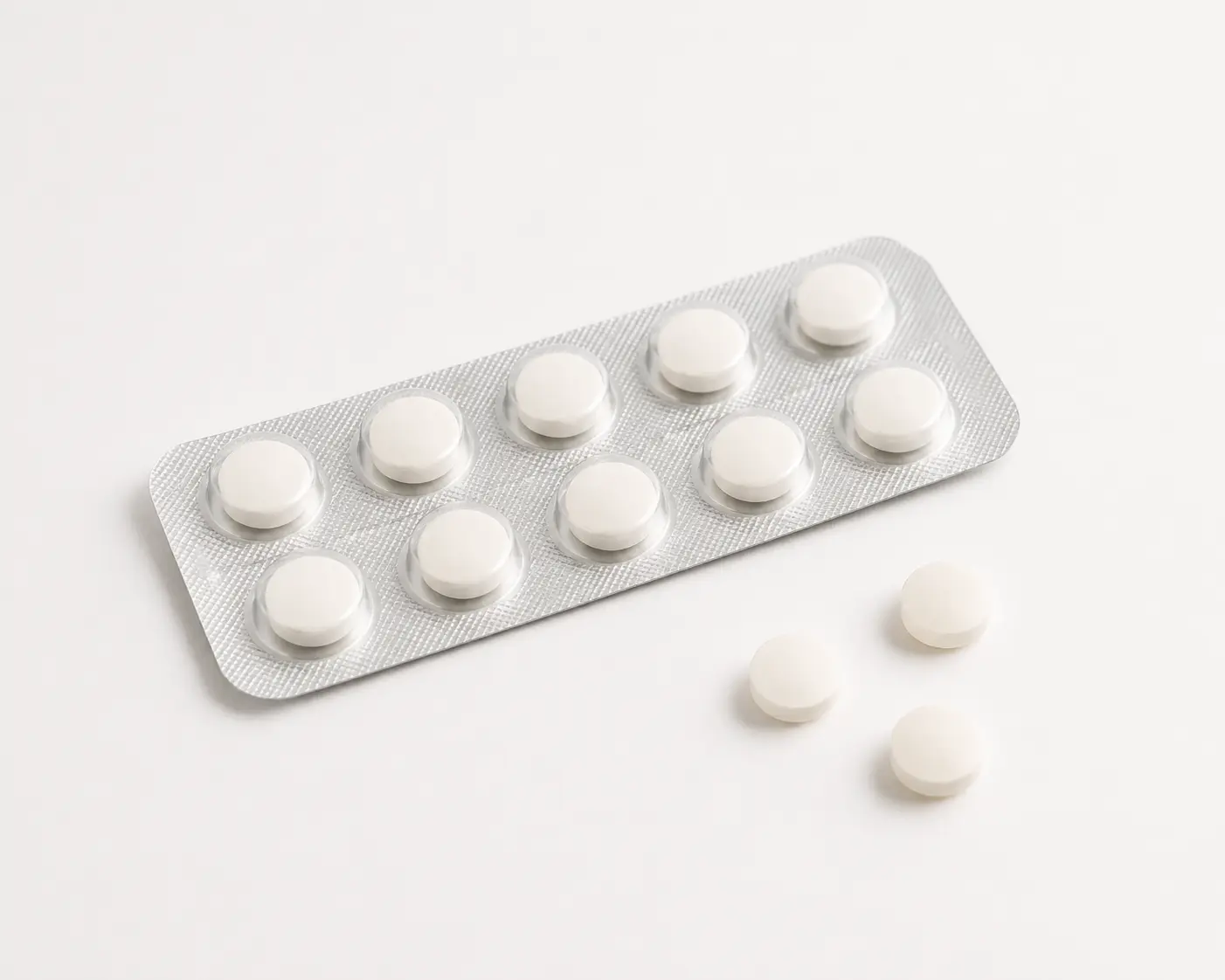 Appearance varies. A substance cannot be reliably identified by colour, shape, packaging or an image.
Benzodiazepines are sedative medicines used for a limited range of clinical indications. Illicit tablets may contain unexpected benzodiazepines or other substances, so appearance and branding are unreliable.
Read guide →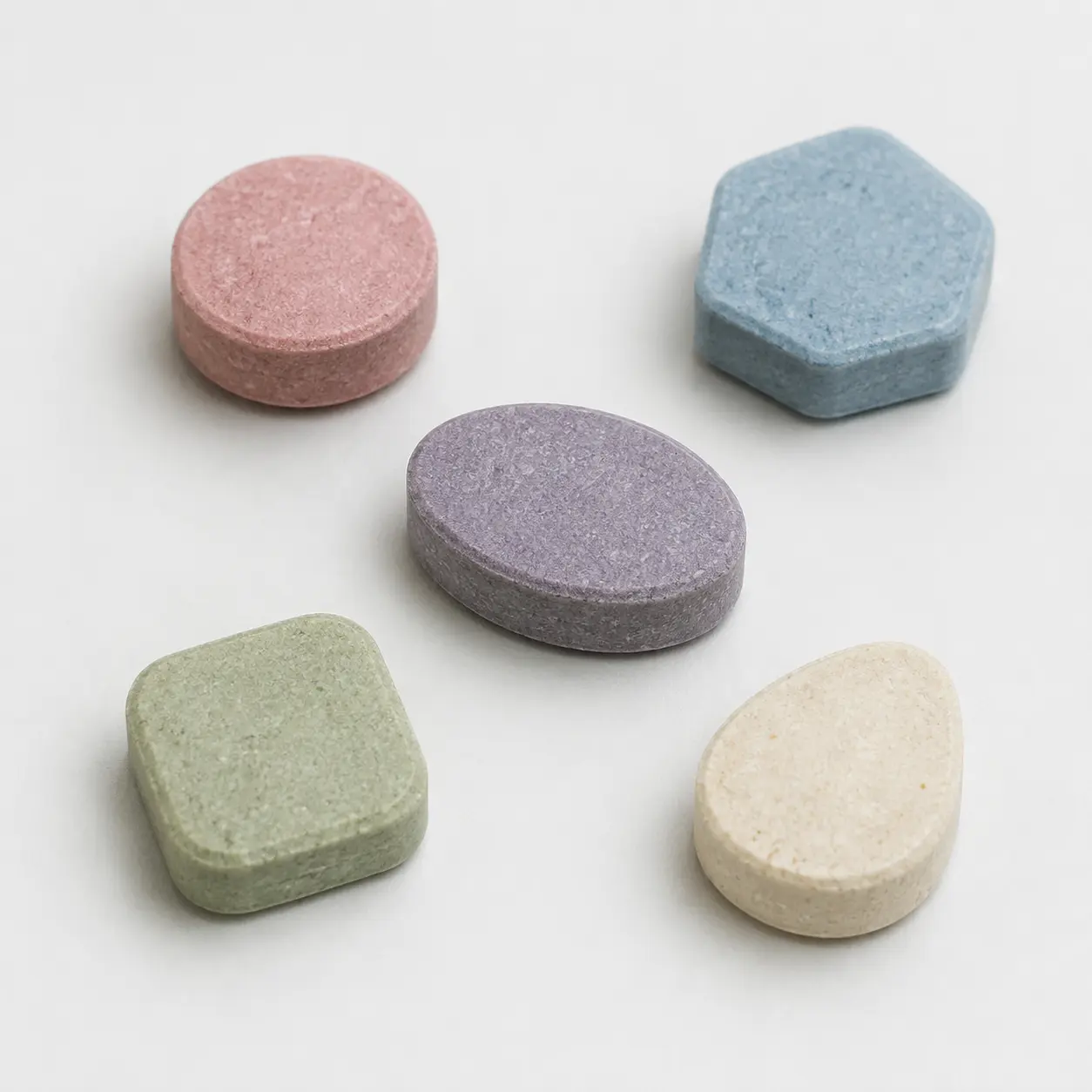 Appearance varies. A substance cannot be reliably identified by colour, shape, packaging or an image.
MDMA is an empathogenic stimulant usually sold as tablets or crystals/powder. Products sold as ecstasy vary in content and strength, and a logo or colour cannot identify what is present.
Read guide → Appearance varies. A substance cannot be reliably identified by colour, shape, packaging or an image.
Nitazenes are a family of synthetic opioids, not one drug. They have been detected in UK illicit markets and can produce life-threatening opioid toxicity, including when people do not know an opioid is present.
Read guide → Appearance varies. A substance cannot be reliably identified by colour, shape, packaging or an image.
Synthetic cannabinoid receptor agonists (SCRAs) are laboratory-made substances that act on cannabinoid receptors. Products sold as 'Spice' are variable mixtures and can behave very differently from cannabis.
Read guide →Appearance varies. A substance cannot be reliably identified by colour, shape, packaging or an image.
Signature guide
Drug effects are not a simple dopamine story. Reward, stress, memory, learning, sleep, inhibition, social context and relief from distress can all influence repeated use.
“Dopamine is the pleasure chemical and addiction means the brain has been hijacked.”
Better explanationDopamine contributes to learning, motivation and the importance we assign to cues. Behaviour remains shaped by biology, experience and environment.
Mixing drugs
See overlapping effects and the main concerns to look for. No combination is labelled “safe”.
Both can suppress alertness and breathing. Reduced consciousness may be an opioid emergency.
Practical harm reduction
Clear actions, not moral judgement. Risk changes with the drug, route, tolerance, health, setting and what else has been taken.
Recognise reduced consciousness, abnormal breathing and other emergency signs.
Read guidance →02An emergency opioid-antagonist medicine that can temporarily reverse opioid overdose.
Read guidance →03Risk rises after a break, detox, hospital stay, prison release or other reduction in use.
Read guidance →04Colour, packaging and logos cannot confirm identity, strength or contamination.
Read guidance →Treatment and recovery
Assessment, harm reduction, prescribing, psychological support, residential care, peer support and practical help can be combined around the person — not forced into one recovery script.
Keyworking, prescribing, harm reduction, psychological interventions and wider health or social support can sit together.
Alcohol, benzodiazepine and opioid dependence can require substance-specific clinical planning rather than a generic detox approach.
Lapse or recurrence can increase risk, especially after tolerance falls; it can also show what needs changing in the plan.
Drug history
Medicine, trade, culture, prohibition, racialised policy, marketing and harm-reduction movements have all shaped what drugs mean — and who experiences the consequences.
Explore Drug HistoryOriginal TD Consultancy work
Drug-related behaviour is shaped by more than individual choices. Housing, waiting rooms, hostels, treatment access, digital platforms, public space and institutional rules can amplify cues and stress — or make safer choices easier.
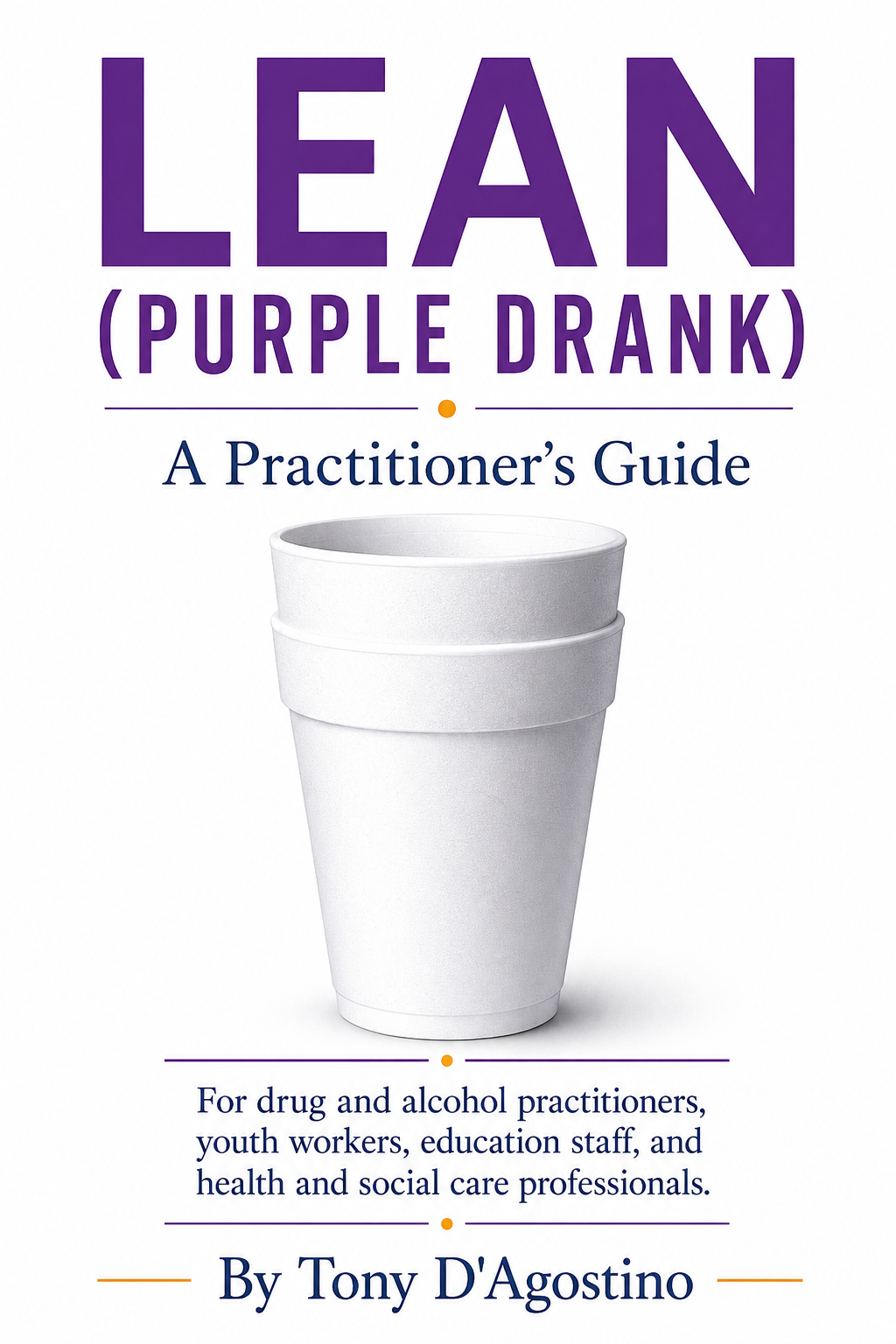
Featured publication · available now
A practitioner-focused guide to understanding Lean as a pattern of use rather than one fixed drug, with attention to ingredient-related risk, culture, harm reduction and professional response.
A scalable library for current and forthcoming TD practitioner manuals.
Resources
Public information, downloadable personal-use resources and professional packs — connected to the drug guide they support.
Training
Live organisational training now, with self-paced courses and micro-learning structured for the future learning platform.
Knowledge → intelligence
The Awareness Hub explains substances, behaviour and harm. The separate UK Drug Trends Intelligence Platform tracks current trends, emerging substances, prevalence, regional harms and wastewater evidence for professional use.
Open UK Drug Trends IntelligenceRecently reviewed
Clear review dates make it easier to see when safety, legal and practice content was last examined.
Effects, cardiovascular risk, mental health, cocaine-and-alcohol interaction, harm reduction and UK Class A / Schedule 2 status.
Read the cocaine guide →Emerging synthetic opioids, overdose response, naloxone, uncertain contents and current UK control framework.
Read the nitazenes guide →Curated interaction summaries with visible uncertainty, emergency warning signs and no “safe” combination label.
Open Mixing Drugs →Stay useful, not noisy
Choose the subjects you want. Never use this form to disclose personal drug use or health information.
TD Consultancy
UK specialist training, workforce development, harm reduction, treatment, neurodiversity, trauma and commissioned resources.