
Overview
What is Nitazenes?
Common and street names
2-benzyl benzimidazole opioids · synthetic opioids
Drug category
Synthetic opioids
Forms and appearance
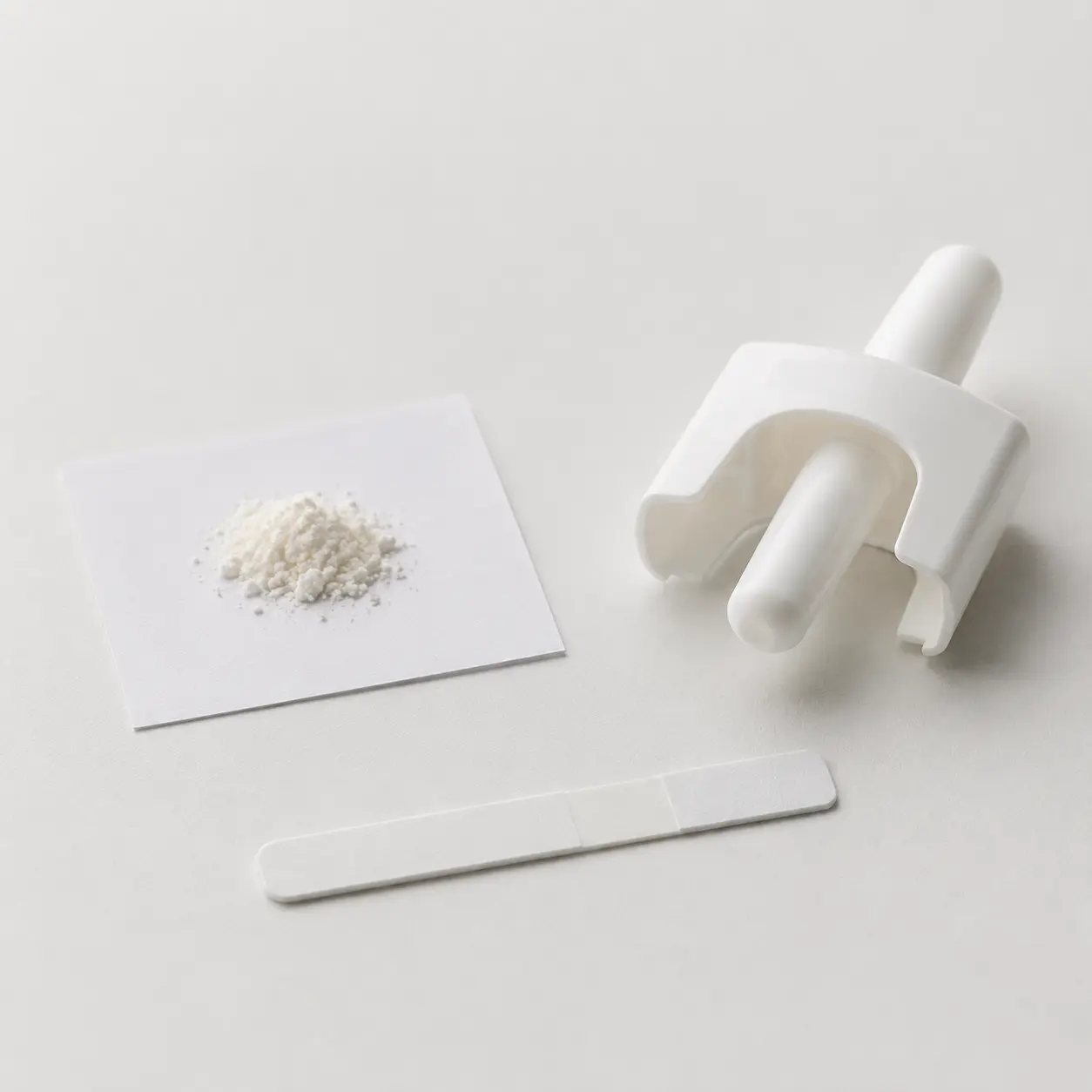
There is no characteristic appearance. Nitazenes may be present in powders, tablets or other drug products, including where the person did not expect an opioid.
How it is commonly used
Exposure can occur through products swallowed, smoked, snorted or injected. Because nitazenes may be unexpected contaminants or substitutions, a person may not know an opioid has been taken.
Brain & body
How Nitazenes affects signalling and behaviour
Nitazenes act at opioid receptors and can suppress breathing. Exact potency varies substantially by compound, product and sample, so headline potency ratios are poor guides for real-world risk.
Explore reward, cues, craving, stress, tolerance and neuroplasticity without a simplistic “hijacked brain” model.
Effects & risks
What people may experience — and what can go wrong
Commonly reported effects
- Opioid sedation
- Pain relief
- Euphoria or relief
- Pinpoint pupils and slowed breathing
Short-term risks
- Rapid respiratory depression
- Unexpected opioid exposure in other products
- Highly variable potency and contamination
- Re-sedation after initial response
Longer-term risks
- Opioid tolerance and dependence
- Repeated overdose
- Risk concentrated around disrupted supply and reduced tolerance
- Complications after hypoxia or prolonged unconsciousness
Mental-health effects
As with other opioids, use and repeated exposure can become connected with pain, trauma, stress and relief-seeking. Treatment should not wait for a laboratory label if opioid dependence is clinically evident.
Dependence, tolerance & withdrawal
Repeated use can change the pattern
Treat as an opioid-dependence presentation where clinically appropriate. UK opioid agonist treatment, naloxone, psychosocial support and practical care remain relevant; exact treatment decisions require clinical assessment.
Mixing drugs
Interaction risks to know
Nitazenes + benzodiazepines: particularly high risk.
Nitazenes + alcohol, GHB/GBL or other sedatives can intensify respiratory depression.
Unknown mixtures may expose someone to an opioid without their knowledge.
The absence of a recorded interaction does not mean that a combination is safe. Strength, dose, health, tolerance, contamination and other substances can alter risk.
Check another combinationHarm reduction
Practical ways to reduce risk
Carry naloxone and make sure others know where it is.
Avoid using alone and avoid mixing with other depressants.
After a period without opioids, assume tolerance has fallen.
Treat unexpectedly strong sedation after any illicit drug as a possible opioid emergency.
Harm reduction can reduce some risks; it cannot make an unregulated drug, dose or combination risk-free.
Emergency
When to call 999
- Call 999 for suspected opioid overdose.
- Give naloxone if available and follow the product/emergency-service instructions.
- Support breathing and place the person in the recovery position if breathing normally.
- Stay with the person: naloxone's effect can wear off.
Treatment & support
Help does not require one fixed recovery goal
UK drug and alcohol services can assess physical health, mental health, dependence, risk, housing and support needs, then agree a plan with the person. Goals may include immediate harm reduction, stabilisation, reduction or stopping use.
Treat as an opioid-dependence presentation where clinically appropriate. UK opioid agonist treatment, naloxone, psychosocial support and practical care remain relevant; exact treatment decisions require clinical assessment.
Brief history
How we got here
Compounds in the nitazene family were investigated in the twentieth century but were not adopted as mainstream medicines. Their appearance in illicit markets became a major European and UK concern in the 2020s; UK controls expanded through named listings and later a broad generic definition.
Read the history guideKey facts & misconceptions
Three useful corrections
Nitazenes are a family, not one fixed-potency drug.
They may appear in products not sold as opioids.
Naloxone remains relevant to nitazene-related opioid overdose.
Frequently asked questions
Quick answers
What type of drug is Nitazenes?
Nitazenes is described here as synthetic opioids. Some drugs cross categories, and mixtures may contain more than one drug type.
Can Nitazenes be identified by appearance?
No. Appearance, packaging, a logo or colour cannot reliably establish identity, strength or contamination.
When should I call 999?
Call 999 for a suspected drug emergency, including reduced consciousness, abnormal breathing, seizure, severe chest pain or severe confusion. Call 999 for suspected opioid overdose.
Evidence & governance
Sources and review
Responsible organisation: TD Consultancy
Published: 5 August 2026 · Last reviewed: 5 August 2026
Next formal review: February 2027, or earlier if material safety or legal information changes.
Evidence on illicit drug composition and emerging markets can change quickly. Legal status can be compound- and preparation-specific. Links below are prioritised to current official UK guidance.